
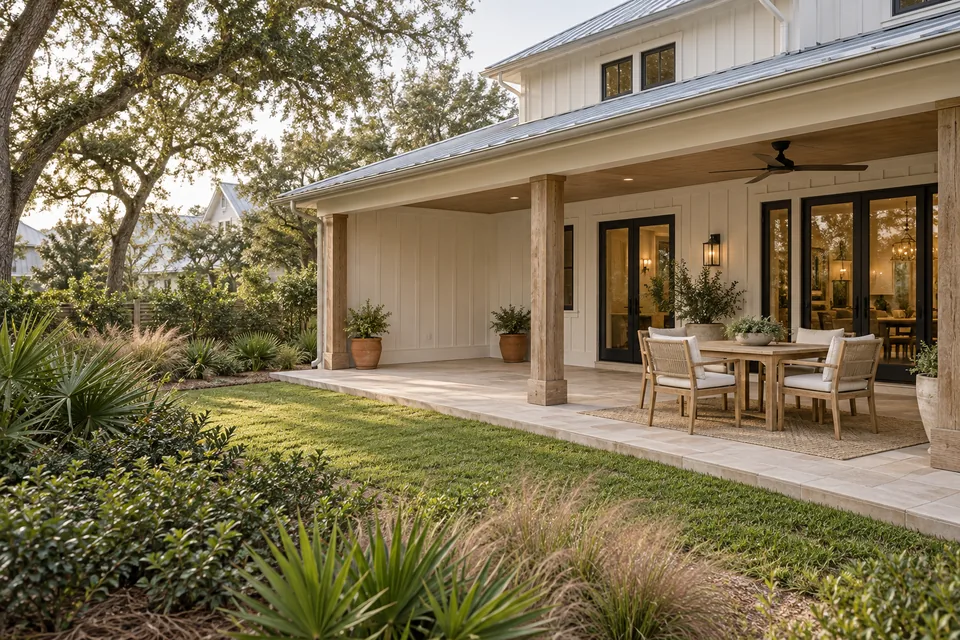
A fan, a screened area and a mosquito-control routine do different jobs. Air movement may improve the experience of sitting outside, but an attractive outdoor-room design should not be sold as a guarantee of no bites or no mosquito-borne illness.
Plan comfort and mosquito prevention as related but separate conversations. Ask what evidence supports each claim, which conditions it addresses and who is responsible for the ongoing work.
Separate the three promises
When someone recommends a product or layout change, identify what they are claiming:
- Comfort: A more pleasant feeling at the occupied seats under particular conditions.
- Reduced mosquito activity nearby: A limited effect that needs relevant evidence and operating conditions.
- Protection from bites or disease: A health-related claim that should not be inferred from the other two.
Ask which statement appears in the manufacturer's information and which is only a sales description. Do not let a general reference to better airflow become an unsupported promise that the entire yard is protected.
Understand what the evidence says about fans
UF/IFAS mosquito-control guidance notes that operating a fan can help keep mosquitoes away from an area because mosquitoes are weak fliers. That supports discussing a fan as one practical measure; it does not establish a mosquito-free radius or a disease-prevention guarantee for every outdoor installation.
Ask how the actual fan will serve the occupied seating, what exposure it is rated for and who confirms its installation and controls. A product centered neatly in a roof drawing may not serve every chair in the same way.
Keep electrical, mounting and weather requirements with the qualified installer and product documentation. A comfort fan does not replace any required ventilation for cooking equipment, and it should not be used to justify an otherwise unsuitable appliance arrangement.
Make water-holding containers part of the maintenance plan
The CDC recommends a weekly routine of emptying and scrubbing, covering, turning over or discarding items that collect water. Its examples include containers, toys, birdbaths and flowerpot saucers. It also recommends keeping water-storage containers appropriately covered.
Translate that guidance into a practical ownership question: can the person maintaining the patio reach the objects that need attention? A beautiful arrangement should not hide water-holding items behind heavy furniture or inaccessible planting.
Do not improvise alterations to drainage systems, pools, ponds or protected natural areas. Ask the appropriate professional or local mosquito-control authority about water that cannot simply be emptied safely.
Review screens and household movement together
The same CDC guidance recommends maintaining window and door screens and keeping doors closed rather than propping them open. A screened outdoor space needs its own design and product review, but it also needs a realistic routine for entering, serving and returning indoors.
Ask whether the serving arrangement repeatedly encourages people to hold a door open. A different food or drink location may be worth evaluating alongside the enclosure. Keep required pool barriers and exits subject to their separate safety requirements.
Be skeptical of a mosquito-repelling plant palette
UF/IFAS lists mosquito plants and several marketed gadgets among approaches that are not effective for reducing mosquitoes. Do not treat a fragrant border, product name or pleasant scent as evidence of reliable bite protection.
Choose plants for supported horticultural and design reasons. For personal protection, follow public-health guidance and the directions on appropriate EPA-registered repellents. Planting design is not a substitute for those measures or advice from the relevant health authorities.
Use a small evidence-and-responsibility card
For each proposed mosquito or comfort feature, record the actual claim, the source supporting it, required operating conditions, maintenance responsibility and what it does not establish.
A fan entry might describe the intended seats and installation, acknowledge limited mosquito-related evidence and leave any claimed performance range unverified. A screen entry should identify the selected system and care needs, rather than asserting that insects can never enter.
Review the ongoing tasks with the person who will perform them. A design that relies on weekly attention should make that work understandable and accessible, not hide it inside a promise of effortless outdoor living.
Compare a fictional comfort proposal
Imagine a covered dining area sold with a large fan and a row of aromatic plants. The household asks for the basis of the promised mosquito control. The useful redesign does not simply add another gadget: it clarifies fan placement, reviews a suitable screen option, improves access to container checks and records the limits of each measure.
That example is not a prediction of the number of bites prevented. It shows how a homeowner can replace vague reassurance with specific questions and realistic maintenance expectations.
Know when to seek local guidance
Persistent mosquito problems or current public-health concerns deserve advice from local mosquito-control or health professionals. Follow their current guidance rather than assuming a completed landscape changes the risk in the surrounding community.
Request a free initial LANDOVA consultation to discuss your outdoor-room goals. Detailed site and design work follows the approved paid scope, while installation and health-related questions remain with the relevant professionals.
